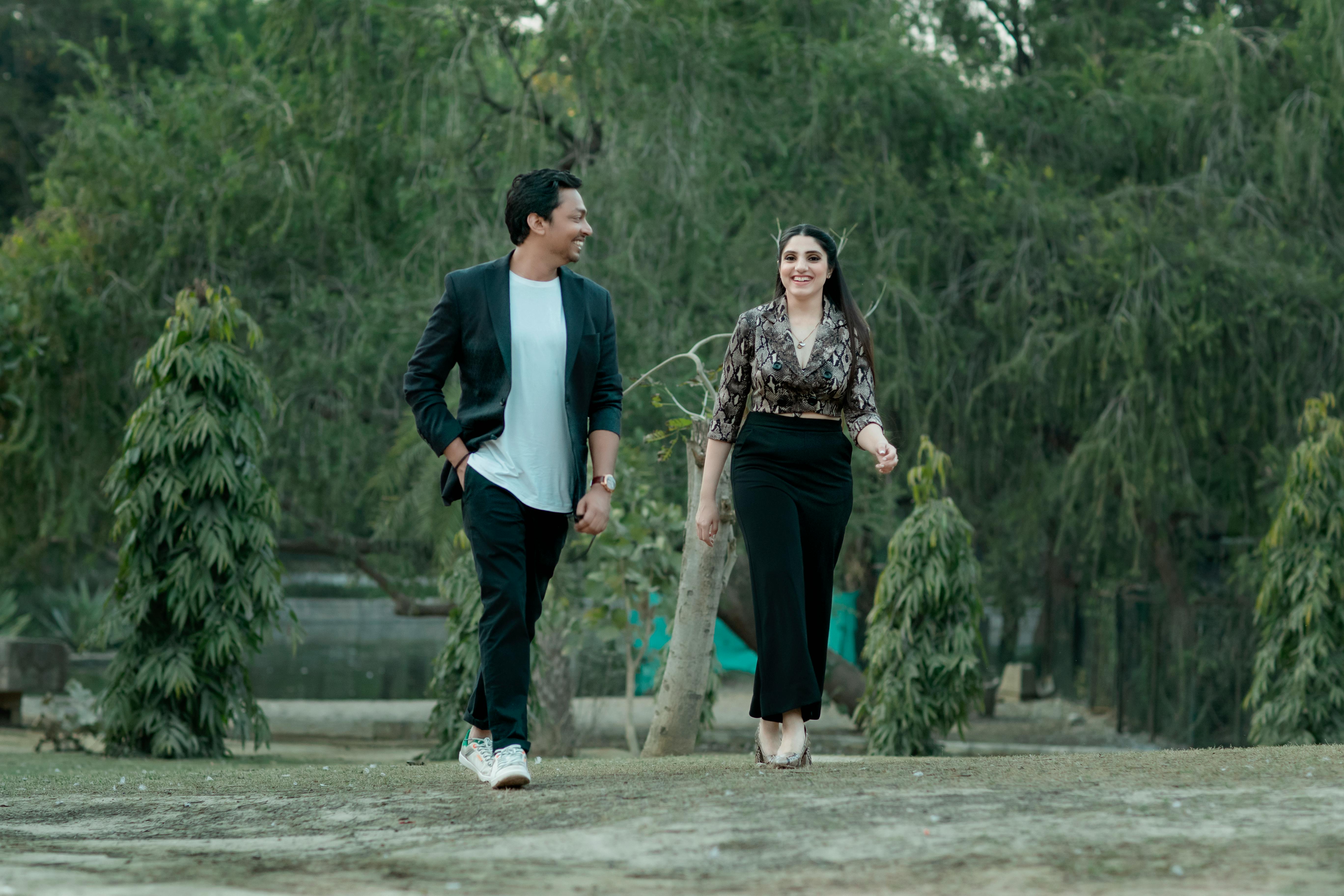
Finding the right person for a long-term relationship is about more than attraction and chemistry. While physical attraction can spark interest, lasting relationships are built on trust, compatibility, communication, and shared values. Choosing a partner who aligns with your goals and supports your growth can lead to a happier and more fulfilling future.
If you're looking for a meaningful and lasting relationship, here are some important factors to consider.
Understand Yourself First
Before finding the right partner, it's important to know yourself. Take time to identify your values, goals, interests, and relationship expectations.
Ask yourself:
-
What qualities are most important to me?
-
What are my long-term goals?
-
What kind of relationship do I want?
-
What are my strengths and weaknesses as a partner?
The better you understand yourself, the easier it becomes to identify someone who complements your life and shares your vision for the future.
Look for Shared Core Values
Successful long-term relationships often depend on shared values rather than shared hobbies.
Important areas include:
-
Family values
-
Career ambitions
-
Financial habits
-
Religious beliefs
-
Lifestyle preferences
-
Relationship goals
While differences can be healthy, major conflicts in core values can create challenges over time.
Prioritize Character Over Charm
Charm and attractiveness can create an initial connection, but character determines whether a relationship can last.
Look for qualities such as:
-
Honesty
-
Respect
-
Kindness
-
Loyalty
-
Responsibility
-
Emotional stability
A trustworthy and dependable partner is more valuable in the long run than someone who is simply exciting or charismatic.
Pay Attention to Communication Skills
Healthy communication is one of the strongest foundations of a successful relationship.
The right partner should be willing to:
-
Listen actively
-
Express thoughts honestly
-
Discuss problems respectfully
-
Resolve conflicts constructively
Good communication helps couples navigate challenges and strengthen their emotional connection.
Assess Emotional Maturity
Emotional maturity plays a major role in relationship success.
Signs of emotional maturity include:
-
Taking responsibility for mistakes
-
Managing emotions appropriately
-
Respecting boundaries
-
Showing empathy
-
Being willing to compromise
Emotionally mature individuals are better equipped to handle the ups and downs of a long-term partnership.
Observe Their Actions
Words are important, but actions reveal true intentions.
Pay attention to whether the person:
-
Keeps promises
-
Treats others respectfully
-
Follows through on commitments
-
Demonstrates consistency
A reliable partner will show their character through their behavior over time.
Build Trust Slowly
Trust is the foundation of every lasting relationship. It develops gradually through honesty, consistency, and mutual respect.
Avoid rushing into major commitments before you have had enough time to truly know the other person. Healthy trust grows naturally as both partners demonstrate reliability and integrity.
Ensure Mutual Respect
Respect should exist in every aspect of a relationship.
Healthy partners:
-
Respect each other's opinions
-
Support personal goals
-
Honor boundaries
-
Value individuality
Without respect, even strong attraction and love can struggle to survive.
Evaluate Long-Term Compatibility
Chemistry can create excitement, but compatibility determines long-term success.
Consider whether you agree on:
-
Marriage expectations
-
Having children
-
Financial planning
-
Career priorities
-
Lifestyle choices
Discussing these topics early can help prevent future misunderstandings.
Don't Ignore Red Flags
Many people stay in unsuitable relationships because they focus only on positive qualities.
Potential red flags include:
-
Dishonesty
-
Excessive jealousy
-
Manipulative behavior
-
Lack of accountability
-
Disrespect toward others
-
Inconsistent actions
Recognizing warning signs early can save you from emotional pain later.
Be Patient
Finding the right person takes time. Avoid settling out of loneliness or rushing into relationships because of external pressure.
Patience allows you to make thoughtful decisions and build relationships based on genuine compatibility rather than temporary emotions.
Conclusion
Finding the right person for a long-term relationship requires self-awareness, patience, and careful evaluation of compatibility. The ideal partner is not perfect, but they share your core values, communicate effectively, respect your boundaries, and support your personal growth. By focusing on character, trust, and long-term compatibility, you can increase your chances of building a strong and lasting relationship.